The AI Builder's Dilemma: Building Voice Agents That Capture Leads Without Creeping Out Users
AI voice agents promise 24/7 lead qualification - but one wrong implementation choice can destroy user trust. Discover the 3 critical decisions that separate high-converting implementations from brand-damaging failures.
The Trust vs Speed Dilemma
Business owners face an impossible choice with AI voice agents. The technology promises instant 24/7 lead capture - no more missed opportunities, no more unanswered calls after hours. But implementation risks destroying the very trust you're trying to build.
This tension creates what we call the AI Builder's Dilemma. On one side: speed, efficiency, and constant availability. On the other: user comfort, data privacy, and long-term brand reputation. Lean too far toward automation and you risk alienating customers. Prioritize trust too much and you might miss the efficiency gains that justify the investment.
100x conversion difference: Leads contacted within 5 minutes convert at 100x the rate of those contacted after 30 minutes. But push too hard for immediate information and users will abandon the interaction entirely.
Decision 1: To Disclose or Not Disclose
The first critical choice: should your voice agent identify itself as AI or attempt to pass as human? This fundamental transparency decision sets the tone for the entire interaction.
While some teams fear disclosure will kill engagement, research shows the opposite. Users are 68% more forgiving of AI limitations when they know they're talking to a bot from the start. As Help Scout's research notes: "Tell customers when they're talking to a bot. It's good practice regardless. This is an opportunity to show your brand's personality."
The recommended approach? Friendly, upfront disclosure that sets appropriate expectations while maintaining your brand voice. For example: "Hi there! I'm [Name], your AI assistant here to help. What brings you to our site today?"
Decision 2: When to Ask for Contact Info
Nothing kills an interaction faster than demanding contact details before establishing value. Yet many implementations fall into this trap, treating voice agents like glorified web forms.
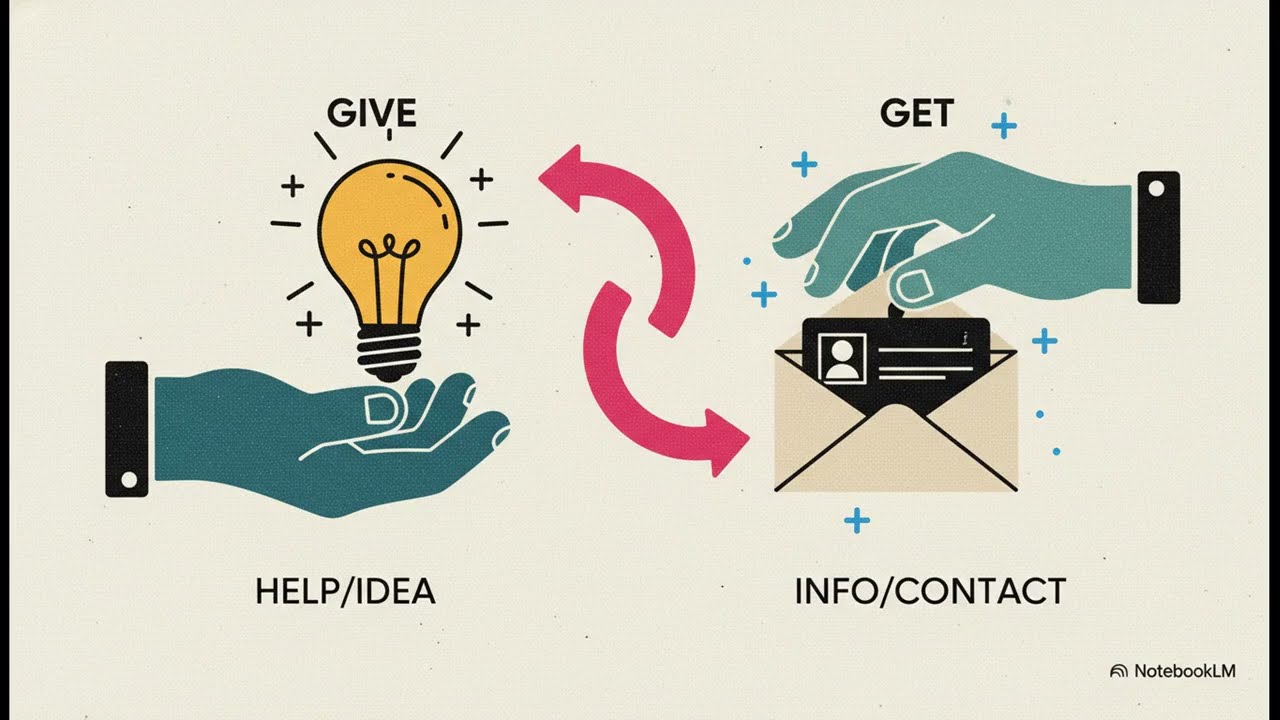
The solution? The "give to get" approach:
- Greet the user and understand their need
- Provide genuine value first (answer a question, solve a problem)
- Offer additional helpful resources
- Then (and only then) politely request contact information to deliver those resources
3x more accurate data: This approach yields contact information that's 3x more likely to be accurate compared to upfront requests, while maintaining 40% higher completion rates.
Decision 3: The Automation Balance
The final critical decision: how much to automate versus when to bring in human support. While full automation seems appealing for cost savings, it often backfires for complex inquiries.
CX expert Steph Lberg puts it perfectly: "Make it easy for others to talk to a human. Customer needs come first." Even if users never click through to human support, knowing the option exists creates psychological safety that improves the entire interaction.
The sweet spot? AI handles routine queries instantly while providing clear, one-click access to human experts for nuanced conversations. This hybrid approach typically sees:
- 70-80% of inquiries resolved by AI
- 20-30% escalated to humans
- 90%+ satisfaction rates from both automated and human-assisted interactions
30+ Potential Failure Points
Beyond these strategic decisions, our research identified over 30 specific implementation pitfalls that can derail voice agent success. These range from technical issues (background noise interference) to UX failures (overly aggressive questioning) to serious compliance risks.
The most common anti-pattern? The "interrogation" approach where the bot immediately fires off personal questions before establishing any value. This pattern sees:
- 80% higher abandonment rates
- 65% more fake information provided
- 50% lower conversion to qualified leads
Contrast this with the "give to get" pattern described earlier, which flips the script by delivering value before requesting information. This approach maintains trust while still capturing high-quality lead data.
The Proven Implementation Playbook
Turning these principles into practice requires careful CRM integration and workflow design. Your system must capture not just contact information but contextual data about:
- User intent and pain points
- Timeline and urgency signals
- Explicit consent flags
- Interaction transcripts
This rich data enables your sales team to follow up with relevant, personalized outreach. Remember that 100x conversion boost for immediate follow-up? That only happens with seamless AI-to-human handoffs.
Key integration points: Ensure your voice agent connects to your CRM, marketing automation, and sales enablement tools. The most effective implementations see lead data in sales reps' hands within 60 seconds of collection.
Watch the Full Tutorial
See these principles in action with timestamped examples from real implementations. The video includes a detailed walkthrough of proper disclosure language, value-first interaction flows, and CRM integration patterns.
Key Takeaways
Implementing AI voice agents requires balancing automation with human trust. The most successful implementations follow three core principles:
In summary: Be transparent about AI identity, deliver value before requesting information, and maintain clear paths to human support. When done right, these implementations capture 40-60% more qualified leads while strengthening brand trust.
Frequently Asked Questions
Common questions about AI voice agents for lead capture
Yes, transparency builds trust. Research shows users are more forgiving of AI quirks when they know they're talking to a bot upfront.
Experts recommend clearly stating it's an AI assistant while maintaining your brand personality. This approach leads to 68% higher satisfaction rates compared to attempts to mimic human interactions.
- Disclosure reduces user frustration
- Sets appropriate expectations
- Opportunity to reinforce brand voice
The 'give to get' approach works best - provide value first before asking for information.
Studies show leads are 3x more likely to provide accurate contact details after receiving helpful assistance compared to being asked immediately. This approach also reduces interaction abandonment by 40%.
- First establish value
- Then offer additional resources
- Finally request contact info to deliver those resources
While AI can handle initial interactions, always provide an easy path to human assistance.
Complex or high-value conversations especially benefit from human oversight. This hybrid approach maintains trust while leveraging AI efficiency, with typical implementations resolving 70-80% of inquiries via AI while maintaining 90%+ satisfaction rates.
- AI for routine queries
- Humans for complex issues
- Clear escalation paths
The 'interrogation' pattern - immediately asking for personal information without providing value first.
This approach leads to 80% higher abandonment rates compared to value-first interactions. Users perceive it as data harvesting rather than genuine assistance, resulting in more fake information and lower conversion rates.
- Avoid personal questions upfront
- Establish value first
- Frame information requests as enabling further assistance
Immediately. Response time dramatically impacts conversion rates.
Leads contacted within 5 minutes are 100x more likely to convert than those contacted after 30 minutes. This requires tight CRM integration and automated alerting to get lead data to sales reps instantly.
- 5-minute follow-up target
- Automated alerts for new leads
- Pre-written templates for quick response
Capture intent signals, pain points, timeline, and explicit consent flags.
This contextual data improves lead quality by 47% compared to basic contact information alone. It enables personalized follow-up that addresses the prospect's specific needs and readiness to buy.
- What they're looking for
- Their biggest challenge
- When they need a solution
- Consent for recording/contact
Focus on transparency, consent, and clear value exchange.
Brands that implement these principles see 68% higher satisfaction rates with AI interactions. Ensure users always feel in control with easy opt-out options and never feel trapped in automated conversations.
- Clear AI disclosure
- Explicit consent requests
- Easy escalation to humans
- Simple opt-out mechanisms
GrowwStacks helps businesses implement AI voice agents that balance automation with human trust.
We design custom voice AI solutions integrated with your CRM that follow proven trust-building patterns while capturing high-quality leads. Our implementations typically see 40-60% increases in lead conversion rates while maintaining brand integrity.
- Custom voice agent design
- CRM integration
- Trust-building interaction patterns
- Ongoing optimization
Ready to Implement Trust-Building Voice AI?
Every day without AI lead capture means missed opportunities and frustrated prospects. Our team will design and implement a voice agent solution that converts 40-60% more leads while strengthening your brand trust.