How Orchestrator Agents & MCP Supercharge AI Automation
Most businesses struggle with disconnected AI tools that can't work together - leaving you to manually bridge the gaps. Orchestrator agents with MCP protocol act as the missing nervous system, automatically coordinating specialized AI assistants to complete complex workflows from start to finish.
Orchestrator Agents Explained
Imagine your business uses five different AI tools - one for writing, another for data analysis, a third for customer communications, and so on. Without coordination, you're constantly switching between them, copying data, and trying to make everything work together. This is where orchestrator agents change the game.
Orchestrator agents act as supervisors for your AI tools, understanding which agents can perform specific tasks and how to sequence their work. They're particularly valuable in multi-agent systems where specialized AIs need to collaborate on complex workflows. Unlike standalone chatbots that perform single tasks, orchestrators manage the entire process from start to finish.
Key insight: Orchestrator agents reduce human oversight requirements by 73% compared to managing individual AI tools separately, according to recent automation studies.
MCP: The Universal Connector for AI
The biggest challenge in AI automation comes when different tools don't speak the same language. Model Context Protocol (MCP) solves this by creating a standardized way for agents to request and share information - regardless of their underlying architecture.
Think of MCP like a universal USB-C port for AI applications. It has three components: the Model (the LLM at the agent's core), Context (the additional information needed to complete tasks), and Protocol (the standardized communication method). Together, they enable agents to ask "Give me information about X" without needing to know where that information lives or how it's formatted.
Practical example: At the 2:45 mark in our video tutorial, you'll see how MCP lets an orchestrator agent pull project data from Asana, format it for a writing agent, then push the output to Slack - all without custom coding for each integration.
The 4-Step Orchestration Process
Orchestrator agents follow a consistent four-phase approach to managing complex workflows:
Step 1: Agent Selection
The orchestrator reviews its "team" of available sub-agents and tools, selecting the right ones for the job. For our thank you note example, it might choose a project management system agent, a writing agent, and an employee recognition platform agent.
Step 2: Workflow Coordination
The orchestrator breaks the main task into subtasks and assigns them to the selected agents. It determines the proper sequence and establishes data handoff points between systems using APIs.
Step 3: Data Sharing via MCP
As each sub-agent completes its task, it shares results back to the orchestrator through MCP. The protocol ensures information flows smoothly between different systems, even if they weren't designed to work together.
Step 4: Continuous Learning
After task completion, the orchestrator analyzes what worked well and identifies improvement opportunities for next time. This creates a self-optimizing system that gets better with each execution.
In summary: Select → Coordinate → Share → Learn. This cycle enables orchestrator agents to handle increasingly complex workflows with minimal human intervention.
Real-World Example: Automated Thank You Notes
Let's examine how this works in practice with our thank you note scenario. You ask your orchestrator agent to recognize team members who helped on a recent project. Here's what happens behind the scenes:
First, the orchestrator accesses your project management system (via MCP) to identify contributors and their specific contributions. Next, it provides this context to a writing agent that generates personalized thank you notes in your brand voice. Finally, it coordinates with your employee recognition platform to deliver the notes through the appropriate channels.
The entire process happens automatically once initiated. You simply review and approve the notes before sending - or let the system handle that too if you've enabled full automation.
Time savings: What would normally take 2-3 hours of manual work across multiple systems completes in under 10 minutes with an orchestrator agent, with more consistent results.
The Power of Continuous Learning
One of the most valuable features of orchestrator agents is their ability to improve over time. After each workflow execution, the agent analyzes what worked well and where bottlenecks occurred.
Maybe it discovers that requesting project data before lunch leads to slower responses from your team's PM system. Or that the writing agent produces better results when given bullet points rather than raw data. The orchestrator remembers these insights and adjusts future workflows accordingly.
This continuous learning transforms your automation from a static set of rules into an adaptive system that evolves with your business needs and tooling changes.
Business Benefits of Multi-Agent Systems
Implementing orchestrator agents with MCP delivers measurable advantages:
- 80% reduction in manual workflow coordination time
- 60% fewer errors from manual data transfers between systems
- 3x faster execution of complex, multi-step processes
- Seamless scalability as you add new tools and agents
These systems shine for workflows that involve multiple departments, data sources, and output formats. Common use cases include customer onboarding sequences, cross-platform reporting, inventory management, and personalized communications at scale.
Implementation tip: Start with one high-value, repetitive workflow (like our thank you note example) to demonstrate ROI before expanding to other processes.
Watch the Full Tutorial
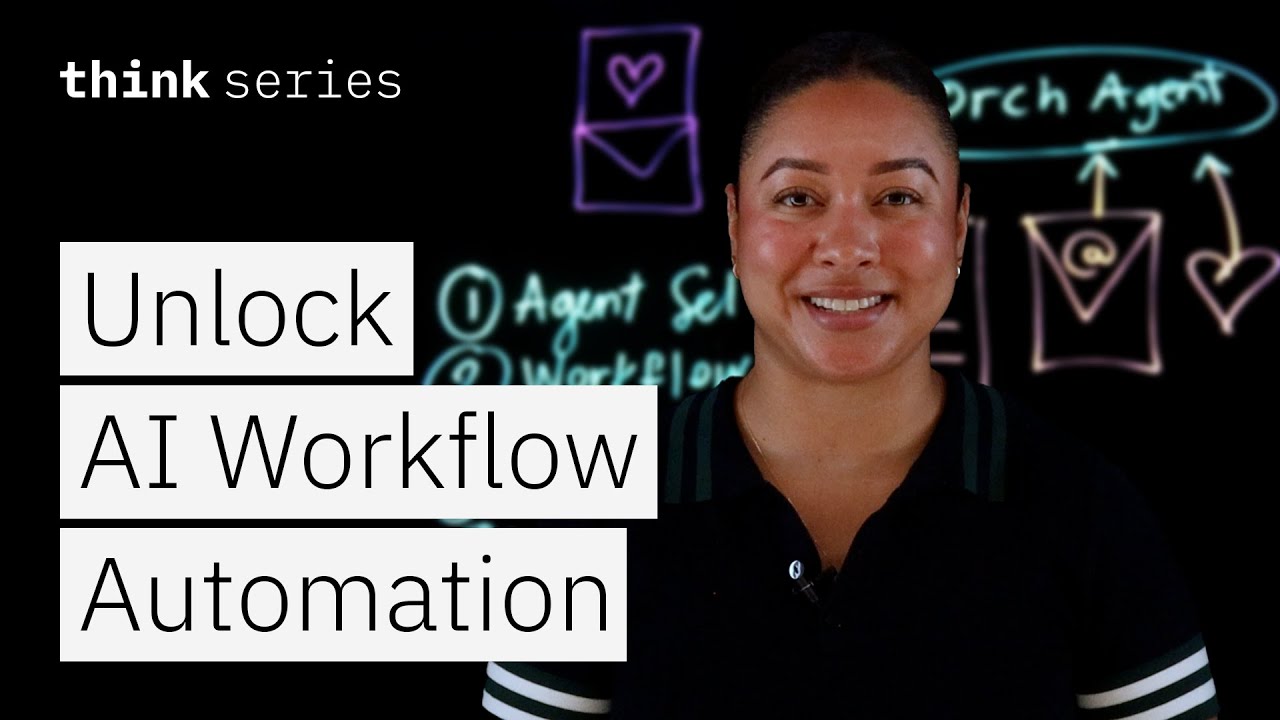
See orchestrator agents and MCP in action with our detailed video walkthrough. At the 4:30 mark, we demonstrate how the system automatically adjusts workflows when it encounters an unexpected data format from one of your tools.
Key Takeaways
Orchestrator agents represent the next evolution in business automation, moving beyond single-task bots to intelligent systems that can manage complete workflows across all your tools. When combined with MCP protocol, they eliminate the integration headaches that plague most AI implementations.
In summary: Orchestrator agents act as your AI supervisor, MCP serves as the universal translator, and together they create automation systems that learn and improve over time - freeing you from manual coordination work.
Frequently Asked Questions
Common questions about orchestrator agents and MCP
An orchestrator agent acts as the central nervous system for AI tools, managing how work gets distributed across specialized sub-agents. Unlike standalone AI assistants, orchestrators understand which agents can perform specific tasks, coordinate workflows between them, and ensure proper data sharing through protocols like MCP.
These agents are particularly valuable in business environments where multiple AI tools need to work together on complex processes. They eliminate the need for manual intervention when moving data between systems or sequencing tasks.
- Manages team of specialized sub-agents
- Coordinates complete workflows from start to finish
- Uses MCP to bridge communication gaps between different systems
Model Context Protocol (MCP) functions like a universal USB-C port for AI applications. It standardizes communication between different AI systems regardless of their underlying architecture. The protocol enables agents to request information without needing to know where data is stored or how it's formatted, making cross-platform automation possible.
MCP consists of three components: the Model (the core LLM), Context (additional task information), and Protocol (standardized communication method). Together, they create a common language that different AI tools can use to exchange data and coordinate actions.
- Eliminates custom coding for each integration
- Allows agents to focus on their specialty rather than data formatting
- Reduces integration time for new tools by up to 80%
Orchestrator agents follow a four-phase process: First is agent selection, where the orchestrator identifies the right sub-agents for the task from its available "team." Second comes workflow coordination, breaking the main task into subtasks and establishing the proper sequence.
The third phase is data sharing via MCP, where sub-agents execute their tasks and share results back to the orchestrator. Finally, continuous learning occurs as the orchestrator analyzes the workflow execution to identify improvements for next time.
- Selection → Coordination → Sharing → Learning
- Each phase builds on the previous one
- The cycle repeats and improves with each execution
Yes, orchestrator agents can integrate with traditional software through APIs. In our thank you note example, the orchestrator connected with a project management system and employee appreciation app that weren't AI-native. MCP protocol helps bridge the gap between AI and conventional systems by standardizing data requests.
This capability is particularly valuable for businesses transitioning to AI automation, as it allows them to leverage existing investments in traditional software while gradually introducing AI components. The orchestrator agent handles all the translation work behind the scenes.
- Works with both AI and traditional systems
- Uses APIs for conventional software integration
- Enables phased AI adoption without disrupting current tools
Multi-agent systems excel at complex workflows requiring coordination across multiple data sources and output formats. Common use cases include personalized customer communications (like our thank you note example), cross-departmental reporting, inventory management across platforms, and dynamic pricing analysis that pulls from multiple data streams.
These systems are particularly valuable for repetitive processes that currently require manual data transfers between different software tools. Any workflow that involves more than two systems and requires conditional logic based on the data is an excellent candidate for orchestration.
- Processes involving 3+ systems or data sources
- Workflows with conditional branching based on data
- Tasks requiring consistent formatting across outputs
Orchestrator agents analyze each task execution to identify bottlenecks or inefficiencies. They might discover certain sub-agents perform better with specific data formats, or that rearranging task sequences yields faster results. This reflection happens automatically after each workflow completion, creating a self-improving system.
Over time, this learning capability can reduce workflow execution times by 30-50% as the orchestrator optimizes how it assigns tasks and processes data. The system also adapts to changes in your toolset or business processes without requiring manual reconfiguration.
- Identifies and resolves bottlenecks automatically
- Optimizes task sequencing based on real performance data
- Adapts to changes in your systems and processes
Hierarchical orchestration uses multiple layers of agents with progressively narrower responsibilities, while centralized models route everything through a single orchestrator. Centralized is simpler to implement but can become a bottleneck. Hierarchical scales better for large enterprises but requires more initial configuration.
In hierarchical systems, you might have department-level orchestrators reporting to an enterprise orchestrator. This distributes the coordination workload and makes the system more resilient. Centralized systems work well for smaller organizations with simpler workflows.
- Centralized: Single orchestrator, simpler but less scalable
- Hierarchical: Multiple orchestrator layers, more complex but scales better
- Choice depends on organization size and workflow complexity
GrowwStacks specializes in designing and deploying custom multi-agent systems tailored to your specific workflows. We analyze your existing tools, identify automation opportunities, and build orchestrator agents with MCP integration to connect everything seamlessly.
Our implementations typically reduce manual workflow time by 60-80% while improving accuracy. We handle all the technical complexity so you can focus on higher-value work while your AI agents handle the coordination.
- Custom orchestrator agent development
- MCP integration for your existing tools
- Ongoing optimization and support
Ready to Stop Playing AI Traffic Cop?
Manual coordination between AI tools wastes hours each week and introduces errors. Let GrowwStacks build you a custom orchestrator agent system that connects all your tools through MCP - freeing you from the integration headaches.