
As someone who has struggled with spreadsheets for years, Airtable felt revolutionary when I first tried it. The colorful interface, tagging features, and ability to display images in cells made it stand out from traditional spreadsheet tools. What truly sets Airtable apart is how seamlessly it integrates with other applications through automation platforms like Make.
Airtable integrations serve three primary purposes: connecting your bases to other apps, automating data inputs and outputs, and creating efficient data pipelines. As one industry observer noted, much of technology's value comes from simply moving data into and out of databases effectively.
Pro tip: Before setting up any integration, map out your ideal workflow to identify exactly what data needs to move between systems and what triggers should initiate the transfers.
1. Airtable Google Sheets Integration
Syncing Airtable with Google Sheets provides several advantages. It creates backups of your Airtable data, makes information accessible to team members who prefer spreadsheets, and helps overcome Airtable's record limits for large datasets.
The integration requires three accounts: Make, Airtable, and Google Sheets. In Make's visual builder, you'll connect these services using the "Watch records" module for Airtable and "Add a row" module for Google Sheets.
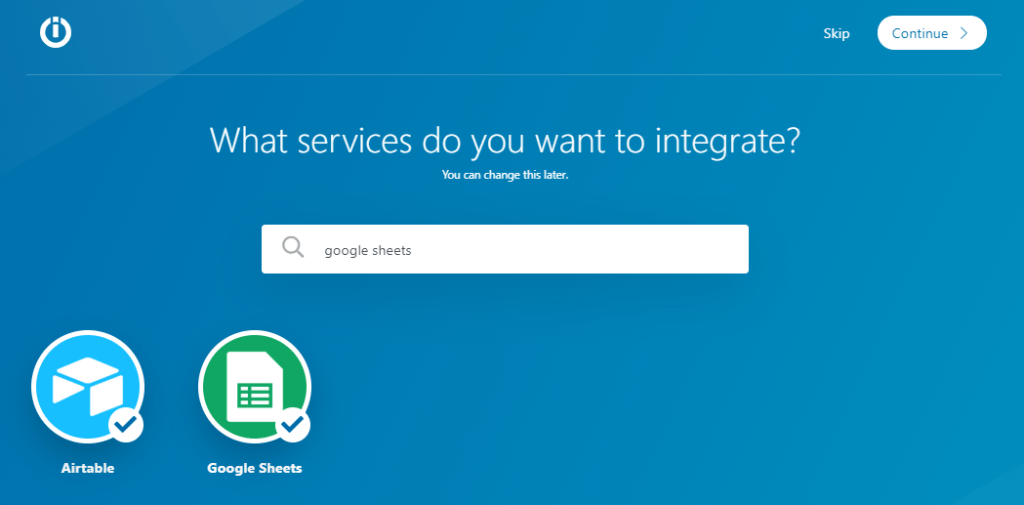
For the trigger, I recommend adding a "last modified" column in Airtable. This creates a timestamp for each record change, which then triggers the sync to Google Sheets. You can set the sync frequency as often as every minute or on a schedule that fits your workflow.
2. Airtable Google Calendar Integration
Automating calendar events from Airtable data streamlines scheduling and reminders. This integration shines for lead management, automatically creating follow-up calls or meetings when new leads enter your pipeline.
The setup mirrors the Google Sheets integration but uses Google Calendar's "Create an event" module instead. Key fields like event title, date/time, and description pull directly from your Airtable records.

For sales teams, this means never missing a follow-up. When a new lead enters your Airtable CRM, the integration automatically schedules the next touchpoint in Google Calendar. The event includes all relevant lead details pulled from Airtable fields.
3. Airtable Email Integration
Email automation from Airtable keeps teams informed and engages customers without manual effort. The integration works with Gmail or any SMTP email service, sending messages when records meet your specified conditions.
Common uses include notification alerts for team members when records change, or personalized customer emails triggered by specific Airtable updates. The email content dynamically pulls data from the triggering record for maximum relevance.
Pro tip: Use Airtable's formula fields to create custom email content templates right in your base. These can include merge fields that populate with record-specific data when the email sends.
4. Airtable Trello Integration
Connecting Airtable to Trello bridges the gap between database management and project execution. New Airtable records can automatically create Trello cards, with all relevant fields mapped to the appropriate card elements.
This integration works particularly well for content calendars, product roadmaps, and task management systems. The visual organization of Trello complements Airtable's structured data storage, giving teams flexibility in how they view and interact with the information.
5. Airtable Slack Integration
The Airtable-Slack integration delivers real-time notifications to your team channels whenever specified changes occur in your bases. This keeps everyone aligned without requiring constant Airtable monitoring.
Make offers a pre-built template for this integration that requires minimal configuration. Just connect your accounts, select which record changes should trigger notifications, and customize the message format. The notifications can include attachments, @mentions, and interactive buttons.

6. Typeform Airtable Integration
Automating form responses into Airtable eliminates manual data entry and ensures no submissions get overlooked. The integration works with Typeform, Google Forms, JotForm, and other popular form builders.
When someone submits your form, the integration instantly creates or updates an Airtable record with all their responses. You can then trigger additional automations based on that new data, creating powerful multi-step workflows from a single form submission.
7. Google Docs Airtable Integration
Generating documents from Airtable data saves countless hours of manual copying and pasting. The integration creates Google Docs (or PDFs) using templates populated with data from your records.
Common applications include contract generation, personalized proposals, customized reports, and standardized documentation. The integration can even email the finished documents to appropriate recipients automatically.
8. Shopify Airtable Integration
For e-commerce businesses, connecting Shopify to Airtable provides enhanced order management and customer insights. The integration automatically records new Shopify orders in Airtable as they occur.
This creates a centralized operations hub where you can track orders, manage inventory, and analyze sales trends - all while maintaining Shopify as your storefront. The data sync happens in real-time, keeping both systems perfectly aligned.
9. Facebook Custom Audiences Integration
Marketers can leverage Airtable data to create highly targeted Facebook ad campaigns. The integration uploads filtered Airtable records as custom audiences, ensuring your ads reach precisely the right people.
For example, you might target customers who purchased specific products, attended certain events, or met other criteria tracked in your Airtable CRM. The integration handles the audience creation automatically whenever your Airtable data meets the conditions you define.