Make.com Gmail Google Drive Automation

How to Automatically Save Gmail Attachments to Google Drive

Step-by-step guide to automatically save Gmail attachments to Google Drive using Make without writing any code.

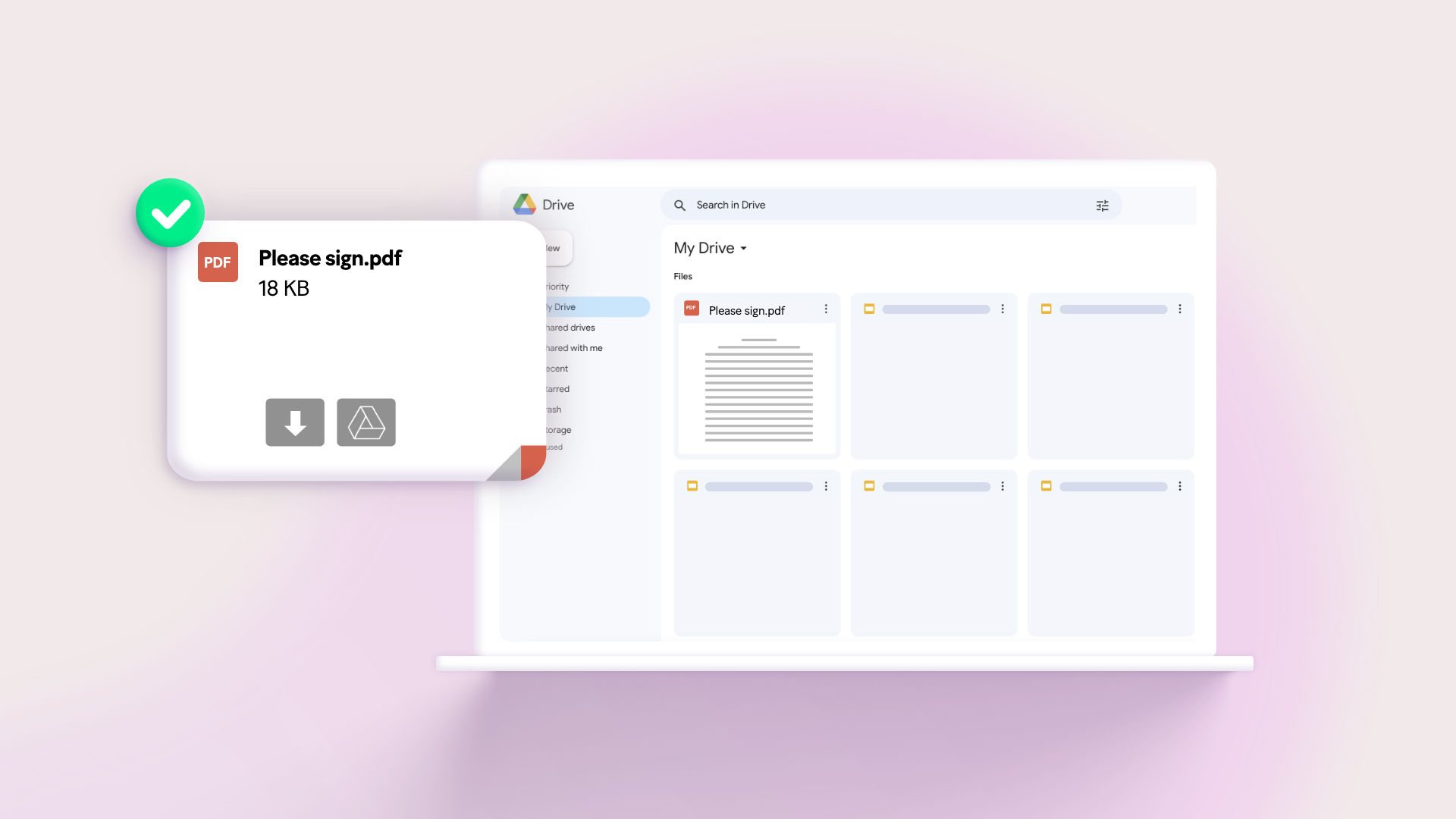
Illustration showing Gmail attachments being saved to Google Drive

Step 1: Deploy the template

Make provides a visual platform to build automations without coding, offering two primary approaches: creating custom workflows from scratch or using pre-built templates. For saving Gmail attachments to Google Drive, Make offers a ready-made template that eliminates the need for manual setup.

The template called "Save new Gmail attachments to Google Drive" handles all the complex parts automatically. After creating your Make account, you can deploy this template with one click, instantly setting up the complete workflow structure. This approach saves hours compared to building from scratch.

Pro tip: Before deploying, ensure you have admin access to both your Gmail and Google Drive accounts. The automation needs permissions to read emails and write files.

Step 2: Configure the template

Configuration involves connecting your accounts and setting preferences. First, in the Gmail module, click "Add" to authenticate your Google account. You'll need to grant Make permission to access your emails and attachments - this uses Google's secure OAuth protocol.

Next, specify which email folder to monitor (typically your inbox) and set filtering criteria. You can choose to process all attachments or only those from unread emails. The system also lets you retroactively process past emails if needed.
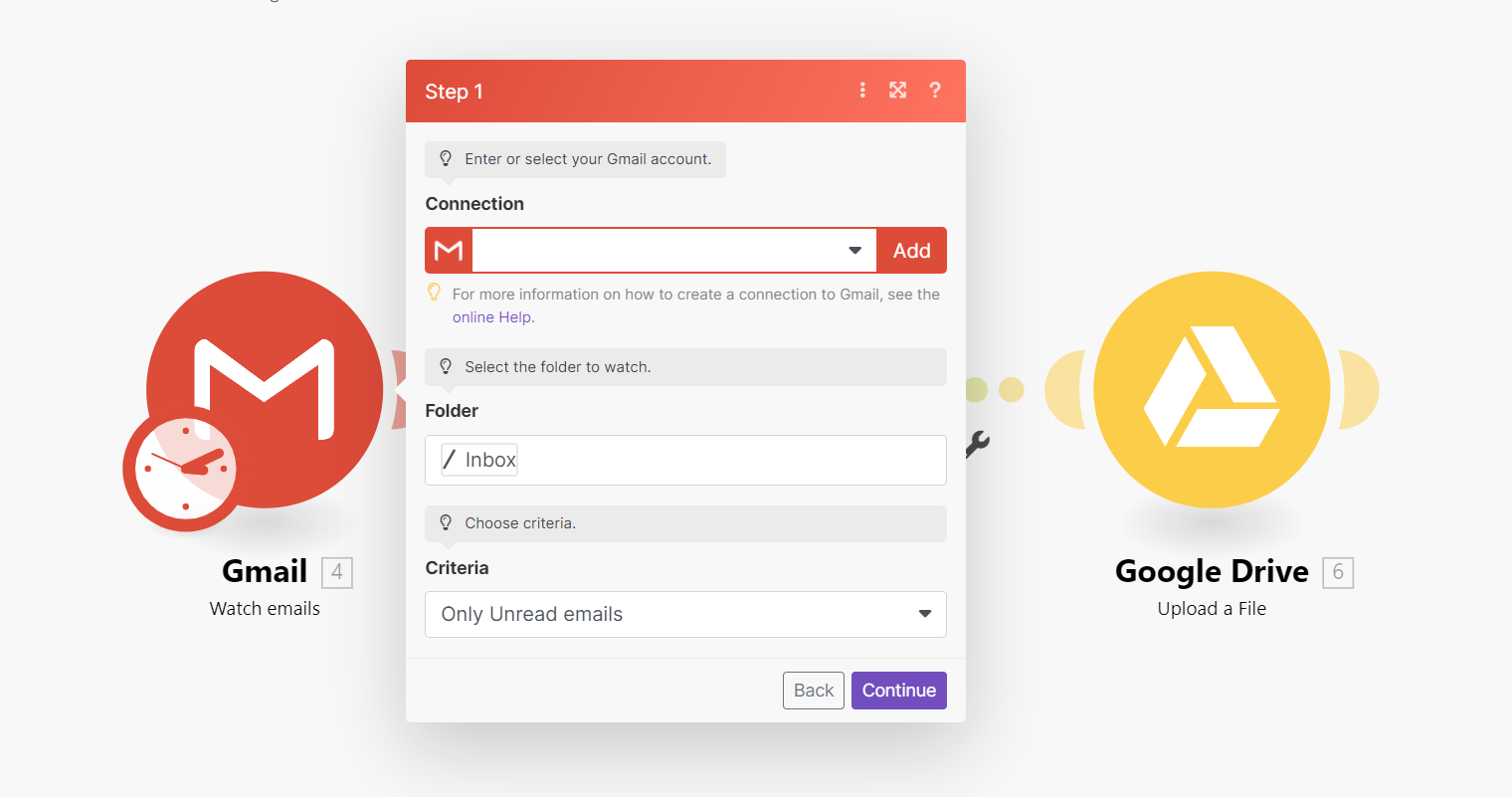
Gmail module configuration screen in Make
Configuring the Gmail module to watch for new attachments

The Google Drive module requires similar authentication. Select your preferred destination folder where attachments will be saved. Make automatically handles the file transfer process, including the iterator module that processes multiple attachments from a single email.

Finally, set the schedule by clicking the clock icon on the Gmail module. Choose how frequently Make should check for new emails - options range from every minute to daily. For most users, checking every 15-30 minutes provides a good balance between timeliness and system load.

Pro tip: For mission-critical attachments, combine this with Gmail filters that label important emails, then have Make watch only that labeled folder for near-instant processing.

Frequently Asked Questions

Common questions about automating Gmail attachments to Google Drive

The automation works with all standard attachment types including PDFs, images (JPG, PNG), documents (DOCX, XLSX), and compressed files (ZIP). The system preserves the original file format when saving to Google Drive.

Make processes attachments exactly as they were sent, without any conversion or quality loss. This ensures important documents retain their formatting and images maintain resolution.

Yes, you can modify the Make scenario to only process emails from specific senders by adding a filter condition in the Gmail module. This lets you create rules like only saving attachments from your boss or important clients.

Advanced filtering can combine multiple criteria including subject lines, keywords, and attachment size thresholds to precisely control which files get archived.

You control the polling frequency in Make's schedule settings. Typical setups check every 15-30 minutes, but you can set it to run instantly when using Gmail's push notifications feature for near real-time processing.

More frequent checks use more operations in your Make plan. We recommend starting with hourly checks and adjusting based on your attachment volume and urgency needs.

Yes, the automation works with any Gmail account you have API access to, including shared team inboxes. Just ensure the connecting user has sufficient permissions to read emails and access attachments.

For team accounts, consider creating a dedicated folder structure in Drive that organizes attachments by department or project for easy collaboration.

Make automatically handles duplicates by adding timestamps or sequence numbers to filenames. You can customize this behavior in the Google Drive module to overwrite, skip, or rename conflicting files as needed.

The system preserves all attachments while preventing accidental overwrites - critical for legal documents or financial records that might share common naming conventions.

Absolutely. The scenario can be extended to include details like the sender's name, email subject, or receipt date as custom properties in Google Drive, making files easier to search and organize later.

This metadata enrichment transforms your Drive into a searchable document database where you can quickly locate attachments by client, project, or date range.

Our team specializes in building tailored solutions for email and document workflows. We can create advanced automations with custom rules, multiple storage locations, and integration with other apps in your stack.

Whether you need complex filtering, multi-step approval processes, or enterprise-scale solutions, we design automations that match your exact business requirements.

  • Custom routing based on content analysis
  • Integration with CRM or accounting systems
  • Automated notifications and approval workflows

Need Custom Automation Help?

This guide is a starting point. Our team builds fully tailored automation systems for your specific workflow needs.