n8n Bright Data LLM Recruitment

Scrape Indeed job listings for hiring signals using Bright Data and LLMs

Automate competitive intelligence gathering from job postings. This n8n workflow scrapes Indeed listings, analyzes them with AI, and delivers actionable hiring insights to your team.

Download Template JSON · Zapier compatible · Free
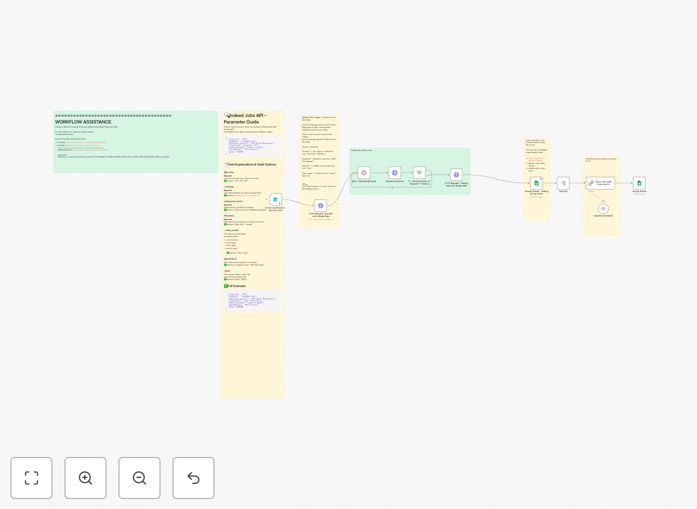
n8n workflow diagram showing Indeed scraping with Bright Data and LLM analysis

What This Workflow Does

This automation solves the time-consuming process of manually monitoring competitor job postings for strategic hiring insights. Recruiters and HR teams spend hours each week scanning job boards to understand market trends, competitor hiring strategies, and emerging skill requirements.

The workflow automatically scrapes Indeed job listings using Bright Data's reliable scraping infrastructure, then processes the data through LLM analysis to extract key hiring signals. It identifies patterns in job requirements, salary benchmarks, benefits offerings, and other competitive intelligence that would take days to collect manually.

How It Works

1. Job search parameters setup

The workflow begins with a form where you specify job titles, locations, and other search criteria. These parameters determine which Indeed listings will be scraped in the next steps.

2. Bright Data scraping execution

Bright Data's scraping infrastructure handles the actual data collection from Indeed, bypassing anti-scraping measures while complying with data usage policies. It returns structured data including job titles, descriptions, requirements, and compensation details.

3. LLM analysis of listings

An AI model processes the scraped data to identify key patterns and signals. It extracts frequently mentioned skills, emerging job requirements, salary ranges, and other competitive intelligence markers.

4. Insight delivery

The analyzed data gets formatted into an easy-to-read report delivered via email, Slack, or your preferred communication channel. You receive actionable hiring intelligence without manual data processing.

Who This Is For

This workflow benefits recruitment agencies, corporate HR teams, and talent acquisition specialists who need to:

  • Track competitor hiring activity
  • Identify emerging skill requirements
  • Benchmark salary and benefits offerings
  • Stay ahead of job market trends

What You'll Need

  1. Bright Data account with web scraping credits
  2. n8n instance (cloud or self-hosted)
  3. LLM API access (OpenAI, Anthropic, etc.)
  4. Indeed account for testing (optional)

Quick Setup Guide

  1. Download the JSON template file
  2. Import into your n8n instance
  3. Configure Bright Data credentials
  4. Set up your LLM API connection
  5. Define your target job search parameters
  6. Test with a small sample search
  7. Schedule regular automated runs

Key Benefits

Saves 10-15 hours weekly by automating manual job market research tasks that typically require reading hundreds of listings.

Provides real-time competitive intelligence with AI-identified trends that human analysts might miss in individual postings.

Improves hiring strategy decisions with data-driven insights into what skills competitors value and how they structure compensation.

Scales across multiple roles/locations simultaneously, giving comprehensive market visibility without additional effort.

Frequently Asked Questions

Common questions about job market analysis integration and automation

AI analyzes job listings by identifying patterns in requirements, skills mentioned, and compensation details. It can detect emerging trends, competitive salaries, and in-demand skills that human reviewers might miss when scanning individual postings.

For example, an LLM might notice increasing demand for Python skills in marketing roles, signaling a shift in industry needs. This helps HR teams adjust their hiring strategies proactively rather than reacting to market changes.

  • Identifies skill clusters across multiple listings
  • Detects subtle changes in job requirements over time
  • Normalizes salary data across locations and experience levels

Automating job market research saves recruiters 10-15 hours weekly on manual data collection while providing more comprehensive insights. It eliminates human bias in interpreting listings and ensures consistent analysis methodology.

A tech company might use automated scraping to track how often competitors mention remote work policies, helping them stay competitive in talent acquisition. The system can monitor hundreds of listings daily without fatigue or oversight.

  • Continuous monitoring without manual effort
  • Standardized analysis across all listings
  • Historical tracking of market changes

Bright Data handles anti-scraping measures and CAPTCHAs that typically block automated data collection from job sites. It maintains high success rates while complying with data regulations and platform terms of service.

Recruitment agencies use Bright Data to gather comprehensive job market data without getting blocked or violating terms of service. The service automatically rotates proxies and handles rate limiting to ensure reliable data collection.

  • Bypasses sophisticated anti-bot measures
  • Maintains compliance with data policies
  • Provides clean, structured output data

Key signals include frequently mentioned skills, emerging job titles, salary trends, and benefits packages. Changes in these elements often indicate strategic shifts in competitor hiring approaches.

A sudden increase in 'AI-assisted' roles might indicate industry transformation, while expanded benefits could signal competitive pressure for talent. Companies should also monitor posting frequency as a proxy for hiring velocity.

  • Skill requirement changes over time
  • Newly created job titles
  • Benefits package evolution

For dynamic industries like tech, weekly analysis is ideal to catch trends early. Monthly reviews work for more stable markets where requirements change slowly.

A SaaS company might track competitor postings weekly to spot new product development hires, while a manufacturing firm may only need monthly checks for production roles. The frequency should match your industry's pace of change.

  • Tech: Weekly monitoring
  • Healthcare: Bi-weekly
  • Manufacturing: Monthly

Yes, automated scraping extracts compensation data for accurate benchmarking across locations and experience levels. The workflow normalizes salary ranges and identifies outlier compensation packages.

HR teams use this to ensure their offers remain competitive, especially for roles with rapidly changing market rates. The system can track how salaries fluctuate with market conditions and competitor actions.

  • Identifies regional salary variations
  • Tracks compensation trends over time
  • Highlights premium-paying competitors

GrowwStacks specializes in custom recruitment automation solutions tailored to your specific needs. We can build systems that scrape niche job boards, analyze specialized skill requirements, and integrate with your existing HR software.

Our solutions help staffing agencies and corporate HR teams gain competitive intelligence while saving dozens of manual research hours weekly. We implement proper data handling practices and customize the analysis to focus on your priority metrics.

  • Tailored to your industry and roles
  • Integration with your ATS/HRIS
  • Custom reporting formats

Need a Custom Job Market Analysis Integration?

This free template is a starting point. Our team builds fully tailored automation systems for your specific needs.