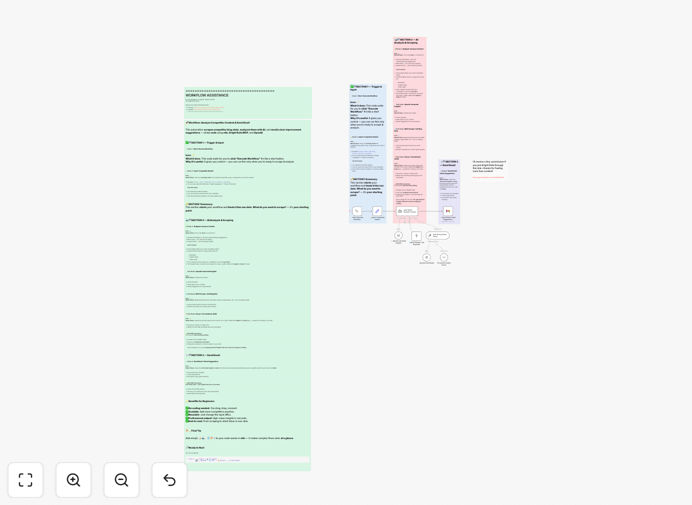
What This Workflow Does
Manual competitor analysis is time-consuming and often incomplete. This n8n workflow automates the entire process of tracking, analyzing, and deriving insights from competitor content across websites, blogs, and social platforms. It uses Bright Data for reliable web scraping and GPT-4o for intelligent analysis, transforming raw data into actionable strategic recommendations.
The system continuously monitors specified competitors, extracts content performance metrics (engagement rates, shares, comments, audience response), and identifies patterns in what resonates with their audience. This gives you a data-driven foundation for your own content strategy, helping you create more relevant content that captures market attention.
Instead of guessing what might work or reacting to trends after they've peaked, you get proactive insights that inform your content calendar, topic selection, and distribution strategy—saving dozens of hours per month while improving results.
How It Works
1. Data Collection & Scraping
The workflow begins by using Bright Data's MCP Client to scrape competitor websites and content platforms. It extracts articles, blog posts, social media updates, and engagement metrics without triggering anti-bot protections, ensuring reliable data collection.
2. Content Processing & Structuring
Raw content is cleaned and structured into consistent formats. The system identifies key elements like publication dates, topics, formats (video, article, infographic), and performance metrics, preparing the data for analysis.
3. AI-Powered Analysis
GPT-4o analyzes the structured content to identify patterns, trends, and insights. It evaluates what topics generate the most engagement, which formats perform best, sentiment analysis of audience responses, and emerging content trends in your industry.
4. Insight Generation & Reporting
The AI generates actionable insights and recommendations, which are then formatted and sent to Google Sheets for easy review. You get clear, prioritized suggestions for your own content strategy based on what's actually working for competitors.
Who This Is For
This workflow is ideal for content marketers, SEO specialists, digital agencies, and business owners who need to stay ahead of content trends. It's particularly valuable for:
- Content teams needing data-driven topic ideas
- Marketing agencies managing multiple client strategies
- Startups competing against established players
- SEO professionals tracking content performance signals
- Product marketers understanding market conversations
What You'll Need
- An n8n instance (cloud or self-hosted)
- Bright Data account with MCP access
- OpenAI API key for GPT-4o access
- Google Sheets account for results storage
- List of competitor URLs to monitor
- Basic understanding of content metrics (engagement, shares, etc.)
Quick Setup Guide
Follow these steps to implement this competitor analysis system:
- Import the workflow into your n8n instance using the downloaded JSON file
- Configure Bright Data credentials in the MCP Client node with your API keys
- Add your OpenAI API key to enable GPT-4o analysis capabilities
- Connect Google Sheets and specify your output spreadsheet
- Define competitor URLs and content sources to monitor
- Set analysis frequency (daily, weekly) based on your needs
- Test with one competitor first, then expand to your full list
Pro tip: Start with 2-3 key competitors rather than trying to monitor everyone at once. Focus on those whose audience most closely matches yours for the most relevant insights.
Key Benefits
Save 15-20 hours monthly on manual competitor research and analysis. The automation handles the tedious data collection and initial analysis, freeing your team for strategic work.
Make data-driven content decisions instead of guessing what might work. See actual performance metrics from competitor content before investing resources in similar initiatives.
Identify emerging trends early by continuously monitoring the market. Spot new topics, formats, or platforms gaining traction before they become saturated.
Improve content ROI by focusing on topics and formats that have proven engagement. Reduce wasted effort on content that doesn't resonate with your target audience.
Scale your analysis as you add more competitors or platforms. The system handles increased volume without additional manual work.