Market Research AI Summarization Bright Data GPT-4o n8n

Automate Competitor Content Analysis with AI

Track what content resonates with your audience, identify winning topics, and optimize your strategy—automatically.

Download Template JSON · n8n compatible · Free
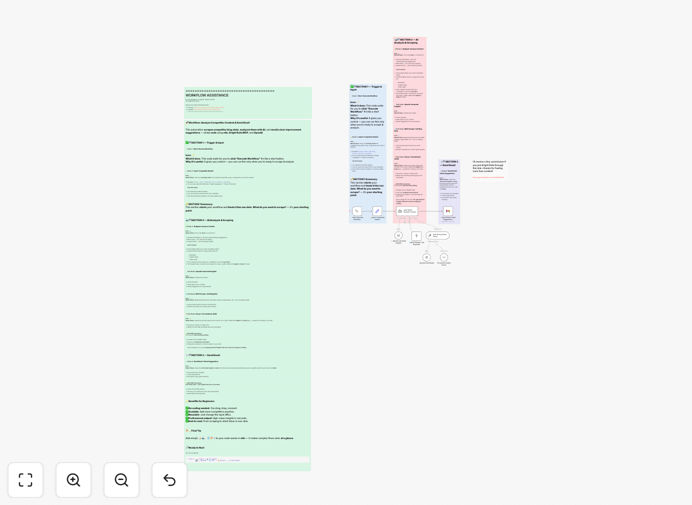
Visualization of competitor content analysis automation workflow showing data extraction and AI insights

What This Workflow Does

Manual competitor analysis is time-consuming and often incomplete. This n8n workflow automates the entire process of tracking, analyzing, and deriving insights from competitor content across websites, blogs, and social platforms. It uses Bright Data for reliable web scraping and GPT-4o for intelligent analysis, transforming raw data into actionable strategic recommendations.

The system continuously monitors specified competitors, extracts content performance metrics (engagement rates, shares, comments, audience response), and identifies patterns in what resonates with their audience. This gives you a data-driven foundation for your own content strategy, helping you create more relevant content that captures market attention.

Instead of guessing what might work or reacting to trends after they've peaked, you get proactive insights that inform your content calendar, topic selection, and distribution strategy—saving dozens of hours per month while improving results.

How It Works

1. Data Collection & Scraping

The workflow begins by using Bright Data's MCP Client to scrape competitor websites and content platforms. It extracts articles, blog posts, social media updates, and engagement metrics without triggering anti-bot protections, ensuring reliable data collection.

2. Content Processing & Structuring

Raw content is cleaned and structured into consistent formats. The system identifies key elements like publication dates, topics, formats (video, article, infographic), and performance metrics, preparing the data for analysis.

3. AI-Powered Analysis

GPT-4o analyzes the structured content to identify patterns, trends, and insights. It evaluates what topics generate the most engagement, which formats perform best, sentiment analysis of audience responses, and emerging content trends in your industry.

4. Insight Generation & Reporting

The AI generates actionable insights and recommendations, which are then formatted and sent to Google Sheets for easy review. You get clear, prioritized suggestions for your own content strategy based on what's actually working for competitors.

Who This Is For

This workflow is ideal for content marketers, SEO specialists, digital agencies, and business owners who need to stay ahead of content trends. It's particularly valuable for:

  • Content teams needing data-driven topic ideas
  • Marketing agencies managing multiple client strategies
  • Startups competing against established players
  • SEO professionals tracking content performance signals
  • Product marketers understanding market conversations

What You'll Need

  1. An n8n instance (cloud or self-hosted)
  2. Bright Data account with MCP access
  3. OpenAI API key for GPT-4o access
  4. Google Sheets account for results storage
  5. List of competitor URLs to monitor
  6. Basic understanding of content metrics (engagement, shares, etc.)

Quick Setup Guide

Follow these steps to implement this competitor analysis system:

  1. Import the workflow into your n8n instance using the downloaded JSON file
  2. Configure Bright Data credentials in the MCP Client node with your API keys
  3. Add your OpenAI API key to enable GPT-4o analysis capabilities
  4. Connect Google Sheets and specify your output spreadsheet
  5. Define competitor URLs and content sources to monitor
  6. Set analysis frequency (daily, weekly) based on your needs
  7. Test with one competitor first, then expand to your full list

Pro tip: Start with 2-3 key competitors rather than trying to monitor everyone at once. Focus on those whose audience most closely matches yours for the most relevant insights.

Key Benefits

Save 15-20 hours monthly on manual competitor research and analysis. The automation handles the tedious data collection and initial analysis, freeing your team for strategic work.

Make data-driven content decisions instead of guessing what might work. See actual performance metrics from competitor content before investing resources in similar initiatives.

Identify emerging trends early by continuously monitoring the market. Spot new topics, formats, or platforms gaining traction before they become saturated.

Improve content ROI by focusing on topics and formats that have proven engagement. Reduce wasted effort on content that doesn't resonate with your target audience.

Scale your analysis as you add more competitors or platforms. The system handles increased volume without additional manual work.

Frequently Asked Questions

Common questions about competitor content analysis automation

Automated competitor analysis saves dozens of hours per month by continuously tracking what content your rivals publish, what resonates with their audience, and which topics drive engagement. Instead of manually checking blogs and social media, you get systematic insights that inform your own content strategy, helping you create more relevant and effective content that captures market attention.

This continuous monitoring approach ensures you never miss important shifts in your competitive landscape. While manual analysis happens sporadically, automation provides consistent, up-to-date intelligence that keeps your strategy aligned with market realities.

You can identify high-performing topics, optimal posting times, engagement patterns, content formats that work best, audience sentiment, and emerging trends. This reveals what your target audience actually responds to, allowing you to allocate resources to content types that deliver results rather than guessing what might work.

Beyond basic metrics, AI analysis can uncover subtler patterns like seasonal topic interest, content length preferences, and even tone variations that resonate differently across platforms. These insights help you create content that performs better from the start.

Bright Data provides reliable, scalable web scraping without getting blocked by anti-bot measures. Manual scraping is slow, unreliable, and often violates terms of service. Bright Data ensures you get clean, structured data from competitor websites, blogs, and social platforms consistently, which is essential for accurate trend analysis over time.

The platform handles JavaScript rendering, CAPTCHAs, and rotating proxies automatically, giving you access to data that would be difficult or impossible to collect manually. This reliability is crucial when you're making strategic decisions based on the collected information.

Yes, with proper configuration, the workflow can analyze content from platforms like LinkedIn, Twitter, and industry forums. The AI can process engagement metrics, comments, shares, and sentiment to give you a complete picture of what content performs well across different channels where your competitors are active.

Different platforms require different scraping approaches, but the core analysis remains consistent. You'll see which types of content perform best on each platform, helping you tailor your cross-channel strategy effectively.

GPT-4o provides sophisticated analysis of engagement patterns, topic relevance, and content effectiveness by examining multiple data points simultaneously. While it doesn't replace human strategic thinking, it surfaces patterns and correlations that humans might miss, giving you data-driven recommendations for your content strategy.

The AI excels at identifying non-obvious connections between content characteristics and performance metrics. It can spot that certain topic combinations, specific writing styles, or even publication timing patterns correlate with higher engagement—insights that might take humans weeks to identify manually.

The biggest mistake is doing it sporadically or only when planning campaigns. Content trends shift rapidly, and one-time analysis gives you outdated insights. Continuous automated tracking ensures you're always working with current data and can quickly adapt when you see competitors finding success with new topics or formats.

Another common error is focusing only on direct competitors while ignoring adjacent players who might be targeting your audience with different approaches. The most valuable insights often come from outside your immediate competitive set.

For most businesses, weekly analysis provides optimal balance between staying current and avoiding data overload. High-velocity industries might benefit from daily monitoring, while slower-moving sectors could use bi-weekly checks. The key is consistency—regular analysis reveals trends, while sporadic checks only show snapshots.

Consider setting up different frequencies for different competitors or content types. Major industry players might warrant daily tracking, while smaller competitors could be checked weekly. The automation handles these variations seamlessly.

Yes, GrowwStacks specializes in building tailored competitor intelligence systems. We can create custom workflows that monitor specific competitors, track particular metrics important to your industry, integrate with your existing tools, and deliver insights in formats that fit your decision-making processes.

Our team can build systems that monitor not just content but also pricing changes, feature launches, hiring patterns, and other competitive signals. We'll work with you to identify the most valuable data sources and create automated reporting that integrates directly into your business intelligence tools.

  • Custom dashboards with your key performance indicators
  • Integration with your existing CRM and marketing platforms
  • Alert systems for significant competitive moves
  • Historical trend analysis and predictive insights

Need a Custom Competitor Analysis Automation?

This free template is a starting point. Our team builds fully tailored automation systems for your specific business needs.