SEO Competitor Analysis Bright Data AI Analysis Google Sheets

Automate Competitor Backlink Analysis with Bright Data & AI

Reverse-engineer competitor SEO strategies. Extract backlink data, analyze patterns with GPT, and uncover high-value link opportunities—all automated.

Download Template JSON · n8n compatible · Free
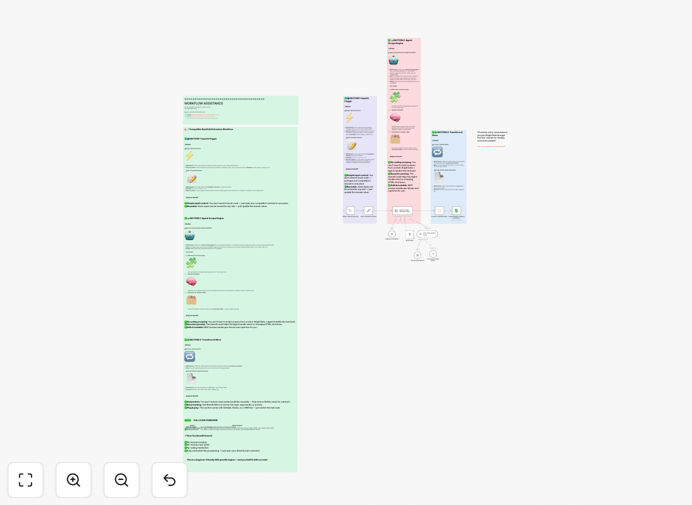
Visualization of an automated competitor backlink analysis workflow showing data extraction and AI analysis

What This Workflow Does

Manual competitor backlink research is time-consuming and often incomplete. This n8n automation solves that by systematically extracting competitor backlink data using Bright Data's MCP (Model Context Protocol) and analyzing it with AI to deliver actionable SEO insights.

The workflow automatically scrapes backlink profiles from multiple sources, processes thousands of data points, and uses GPT to identify patterns, categorize link types, and prioritize outreach opportunities. It transforms raw backlink data into a clear strategic roadmap for your own link-building efforts.

By automating this process, you save dozens of hours per month on manual research while gaining deeper, more consistent insights into your competitors' SEO strategies. The workflow outputs structured data to Google Sheets for easy review and action planning.

How It Works

1. Competitor Domain Input & Configuration

The workflow begins by accepting a list of competitor domains you want to analyze. You can configure parameters like date ranges, data depth, and specific metrics to extract. The system validates domains and prepares them for analysis.

2. Bright Data Backlink Extraction

Using Bright Data's MCP client, the workflow programmatically accesses backlink databases and competitor websites to extract comprehensive link data. This includes referring domains, anchor text, link dates, authority scores, and contextual information about each backlink.

3. Data Cleaning & Enrichment

Raw backlink data is cleaned, deduplicated, and enriched with additional metrics. The workflow categorizes links by type (editorial, guest post, directory, etc.), calculates domain authority scores, and identifies patterns in anchor text distribution.

4. AI-Powered Strategic Analysis

GPT analyzes the processed data to identify strategic insights: which competitors are gaining/losing links, what content types attract the most backlinks, which industries are linking to them, and emerging link-building trends in your niche.

5. Opportunity Identification & Prioritization

The AI ranks link opportunities based on multiple factors: domain relevance, authority, link placement quality, and outreach feasibility. It identifies websites linking to multiple competitors (high-potential targets) and creates a prioritized outreach list.

6. Reporting & Google Sheets Export

All insights, raw data, and prioritized opportunities are automatically formatted and exported to Google Sheets. The report includes executive summaries, visual charts of link growth trends, and actionable recommendations for your SEO team.

Who This Is For

This automation is ideal for SEO agencies managing multiple clients, in-house marketing teams in competitive industries, content marketers looking to improve their backlink profiles, and digital PR professionals seeking data-driven outreach targets.

Businesses in SaaS, e-commerce, B2B services, and content publishing benefit most, especially those operating in niches where backlink quality significantly impacts search rankings. The workflow scales from analyzing 5 to 500 competitor domains.

What You'll Need

  1. A self-hosted n8n instance (required for community nodes)
  2. Bright Data account with MCP access for web scraping
  3. OpenAI API key for GPT analysis capabilities
  4. Google Sheets connection for data export
  5. List of competitor domains to analyze

Pro tip: Start with 3-5 direct competitors in your niche. The workflow can handle more, but focused analysis on your closest competitors yields the most actionable insights initially.

Quick Setup Guide

Follow these steps to implement this competitor intelligence system:

  1. Import the template into your n8n instance and activate the workflow.
  2. Configure Bright Data credentials in the MCP Client node with your API access.
  3. Add your OpenAI API key to enable the AI analysis components.
  4. Connect Google Sheets and specify the spreadsheet where results should be saved.
  5. Input your competitor domains in the designated configuration node.
  6. Set your analysis parameters like date range, minimum domain authority, and link types to focus on.
  7. Test with one competitor first to verify data extraction and formatting before scaling.

Key Benefits

Save 20+ hours monthly on manual research by automating data collection from multiple backlink tools and competitor websites. What used to take days now runs unattended.

Discover hidden link opportunities that manual research misses through comprehensive data analysis and pattern recognition across thousands of backlinks.

Make data-driven SEO decisions with AI-powered insights about which link-building strategies actually work in your industry versus which are declining in effectiveness.

Track competitor movements in real-time by scheduling regular analysis runs to monitor new backlinks, lost links, and emerging trends in your competitive landscape.

Scale your outreach efficiently with automatically prioritized target lists based on multiple scoring factors, not just domain authority.

Frequently Asked Questions

Common questions about competitor backlink analysis and automation

Competitor backlink analysis is the process of identifying and evaluating the websites that link to your competitors. It's crucial for SEO because it reveals their link-building strategies, helping you discover high-quality link opportunities, understand their authority sources, and reverse-engineer successful tactics to improve your own website's search rankings.

Without this analysis, you're essentially guessing which link-building approaches work in your industry. By studying competitors' backlink profiles, you can prioritize outreach to domains that have already shown willingness to link within your niche, dramatically increasing your success rate.

Bright Data provides programmatic access to backlink databases and web scraping capabilities that would be impossible to perform manually at scale. It can extract thousands of backlinks from competitor sites and SEO tools without triggering blocks, giving you comprehensive data on referring domains, anchor text, and link quality that would take weeks to collect manually.

Manual research is limited by API rate limits, subscription costs for multiple tools, and the sheer volume of data. Bright Data's infrastructure handles the technical challenges of large-scale data extraction, allowing you to focus on strategy rather than data collection logistics.

AI can analyze backlink data to identify patterns in anchor text distribution, spot link acquisition trends over time, categorize linking domains by authority and relevance, detect unnatural link patterns, and prioritize outreach opportunities based on domain relevance and authority. It transforms raw data into actionable strategic insights.

For example, AI might discover that a competitor gained 40% of their new links from podcast appearances in the last quarter, or that their most successful content for attracting backlinks are comprehensive comparison guides rather than product reviews. These insights help you allocate resources more effectively.

For most businesses, monthly analysis is sufficient to track significant changes. However, during active link-building campaigns or when entering new markets, bi-weekly analysis can provide more timely insights. The key is consistency—regular analysis helps you spot new opportunities and react quickly to competitor moves.

Seasonal businesses might analyze more frequently during peak periods. The automation makes frequent analysis feasible regardless of frequency, as the workflow runs unattended once configured.

The most valuable backlinks come from high-authority domains in your industry, editorial mentions (not paid placements), resource pages, guest posts on reputable sites, and partnerships with industry influencers. Links with relevant anchor text and from domains with strong topical relevance to your business typically provide the most SEO value.

Also valuable are links from domains that link to multiple competitors (showing they're open to your niche), links in main content rather than footers/sidebars, and links from recently updated or growing websites rather than stagnant ones.

No, automation complements but doesn't replace manual outreach. This workflow identifies opportunities and provides data for personalized outreach, but building relationships with website owners still requires human touch. The automation saves 80% of research time, allowing you to focus on crafting compelling outreach messages.

Think of it as giving your outreach team a qualified lead list with background research already completed. They know which sites to target, why they're relevant, and what content might appeal to them—making their outreach more effective and efficient.

Focus on domain authority/relevance, not just quantity. Key metrics include Domain Rating (DR), referring domain diversity, anchor text relevance, link placement (content vs. footer), and growth trends. Also consider traffic potential—links from sites that actually send visitors are often more valuable than purely for SEO.

The workflow calculates a composite opportunity score considering multiple factors: domain authority, topical relevance, link placement quality, and whether the site links to multiple competitors (indicating openness to your niche).

Yes, GrowwStacks specializes in building custom automation solutions for competitive intelligence and SEO. We can create tailored workflows that integrate with your specific tech stack, track your unique competitors, deliver insights to your preferred dashboards, and even automate parts of the outreach process based on the opportunities discovered.

Our team works with you to understand your competitive landscape, identify the most valuable data points for your industry, and build a system that fits your existing SEO processes. We can incorporate additional data sources, custom scoring algorithms, and integration with your CRM or project management tools.

  • Custom competitor tracking and alerting
  • Integration with your existing SEO tools and dashboards
  • Automated reporting tailored to stakeholder needs

Need a Custom Competitor Analysis Automation?

This free template is a starting point. Our team builds fully tailored automation systems for your specific business needs.