What This Workflow Does
Manual sales pipeline tracking is time-consuming, error-prone, and reactive. Sales managers spend hours each week exporting CRM data, building spreadsheets, and trying to spot patterns while deals stall unnoticed. This creates revenue leaks, missed forecasts, and frustrated teams.
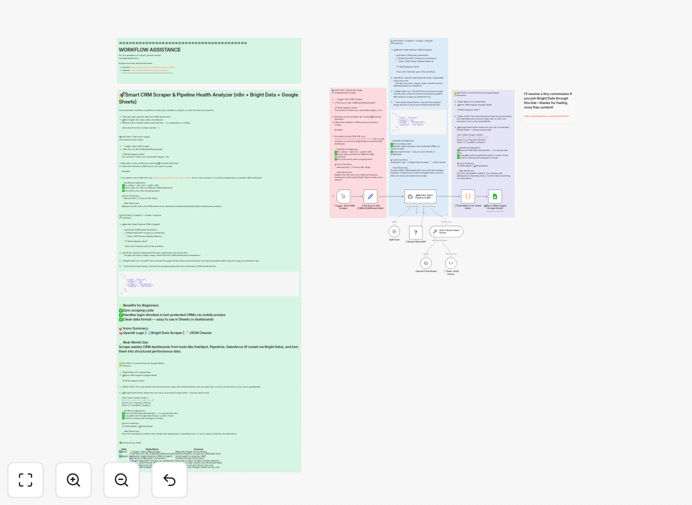
This automation solves that by creating a real-time pipeline monitoring system. It automatically pulls data from your CRM, analyzes deal health using AI, detects anomalies like stalled opportunities, and delivers actionable insights directly to Slack while archiving clean data in Google Sheets for historical analysis. You get proactive alerts instead of retrospective reports.
How It Works
1. Data Extraction from CRM
The workflow starts by querying your CRM's API (HubSpot, Salesforce, Pipedrive, etc.) on a scheduled basis. It extracts key pipeline metrics: new leads, deal stages, values, owners, last activity dates, and custom fields you define.
2. AI-Powered Analysis
OpenAI analyzes the extracted data to identify patterns and risks. It flags deals stuck in a stage too long, detects unusual changes in pipeline composition, and highlights conversion rate deviations. The AI provides plain-English explanations of what needs attention.
3. Alert Generation & Delivery
Critical insights are formatted into clear, actionable alerts and sent to designated Slack channels. Sales reps get personalized notifications about their deals, while managers receive summary reports with pipeline health scores and recommended actions.
4. Historical Archiving
All pipeline snapshots are automatically appended to a Google Sheets database with timestamps. This creates a searchable historical record for trend analysis, forecasting improvement, and quarterly business reviews without manual data entry.
Who This Is For
This automation is ideal for sales teams of 5–50 people who use a CRM but struggle with visibility. Sales managers who want to coach based on data rather than gut feeling. Revenue operations teams responsible for accurate forecasting. Startups and scale-ups needing to systematize their sales process as they grow. Any business where deal slippage directly impacts revenue targets.
What You'll Need
- n8n instance (self-hosted or cloud)
- CRM API access with appropriate credentials
- OpenAI API key for AI analysis capabilities
- Slack workspace with webhook or app permissions
- Google Sheets with edit permissions for the destination spreadsheet
- Basic understanding of your sales pipeline stages and key metrics
Quick Setup Guide
1. Import the template into your n8n instance using the downloaded JSON file.
2. Configure the CRM node with your API credentials and adjust the query to match your pipeline fields.
3. Add your OpenAI API key and customize the prompt to focus on your specific risk indicators.
4. Connect Slack by creating an incoming webhook and pasting the URL into the workflow.
5. Authorize Google Sheets and specify the target spreadsheet ID and sheet name.
6. Test with a manual trigger to verify data flows correctly, then activate the schedule.
Pro tip: Start with a daily schedule during business hours. Once confident, adjust frequency based on your sales cycle—high-velocity teams might benefit from hourly checks, while enterprise sales may only need daily updates.
Key Benefits
Eliminate 5–10 hours weekly of manual CRM exports and spreadsheet maintenance. That's 250–500 hours annually returned to revenue-generating activities instead of administrative work.
Reduce deal slippage by 15–30% through early detection of stalled opportunities. AI identifies at-risk deals before they become lost revenue, allowing timely intervention.
Improve forecast accuracy by 20–40% with consistent, data-driven pipeline analysis. Historical tracking reveals patterns that inform better prediction models.
Accelerate sales onboarding by providing new reps with clear visibility into pipeline expectations and performance benchmarks from day one.
Create scalable processes that grow with your team. The automation handles increasing data volume without additional manual effort.